How to Document Your Local Cultural Heritage
Documenting local cultural heritage is an essential endeavor that fosters community identity and preserves unique traditions. This article outlines effective methods for documenting your cultural heritage, providing practical insights and setting realistic expectations.
Understanding the Importance of Cultural Heritage
Local cultural heritage encompasses traditions, languages, rituals, and art forms that define a community. According to the National Trust for Historic Preservation, documenting these elements helps communities retain their identity and offers a sense of belonging. Experts recommend community engagement as a crucial component in effective documentation, as it ensures that diverse voices are included in the preservation process.

"Cultural heritage is not just about buildings; it's about the stories, the people, and the traditions that shape our communities." – Heritage Expert
Steps for Effective Documentation
Successfully documenting your local cultural heritage typically involves several key steps:
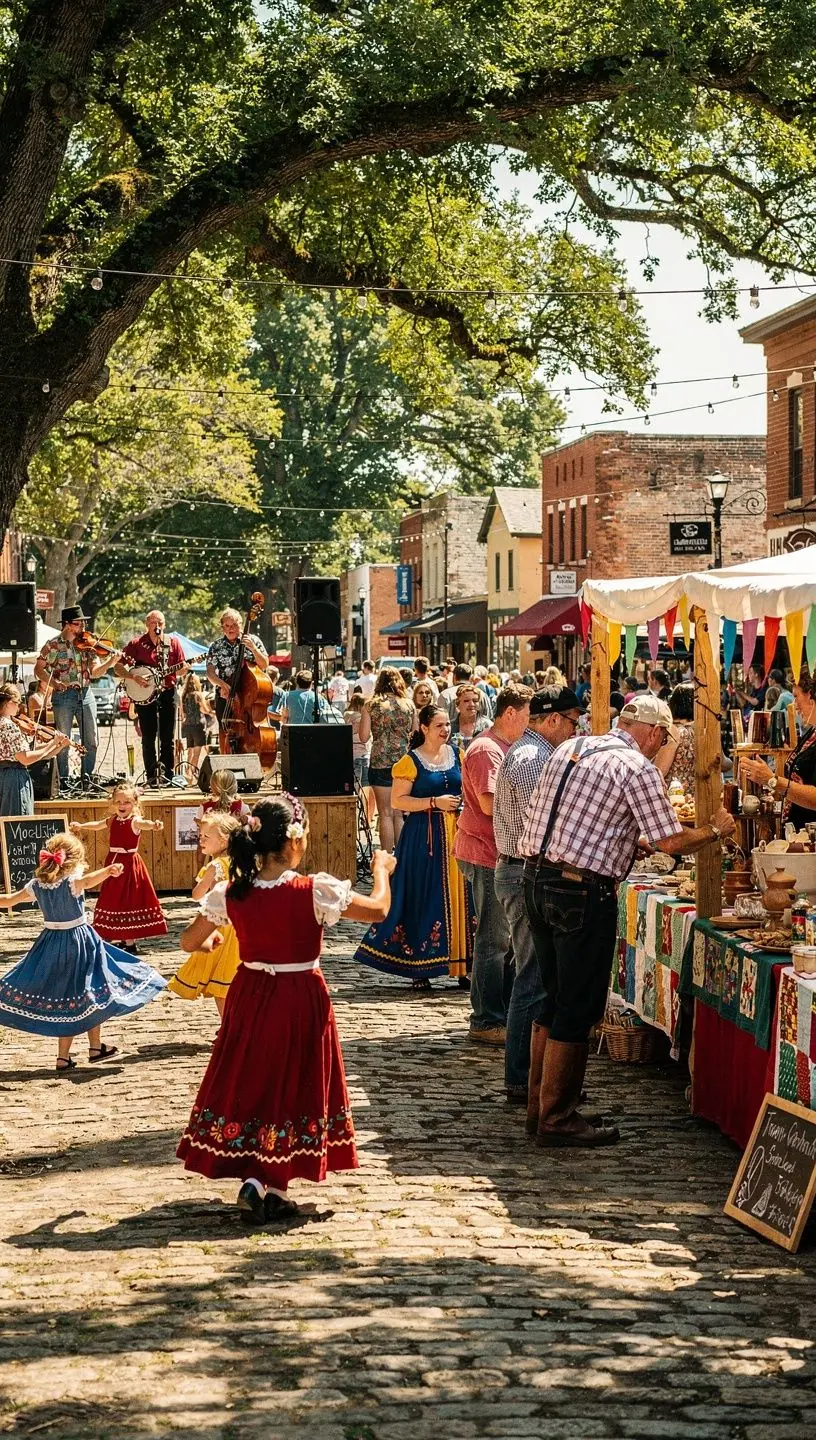
- Identify Key Elements: Begin by researching and listing the cultural aspects that are significant to your community. This may include traditions, festivals, music, art, and oral histories.
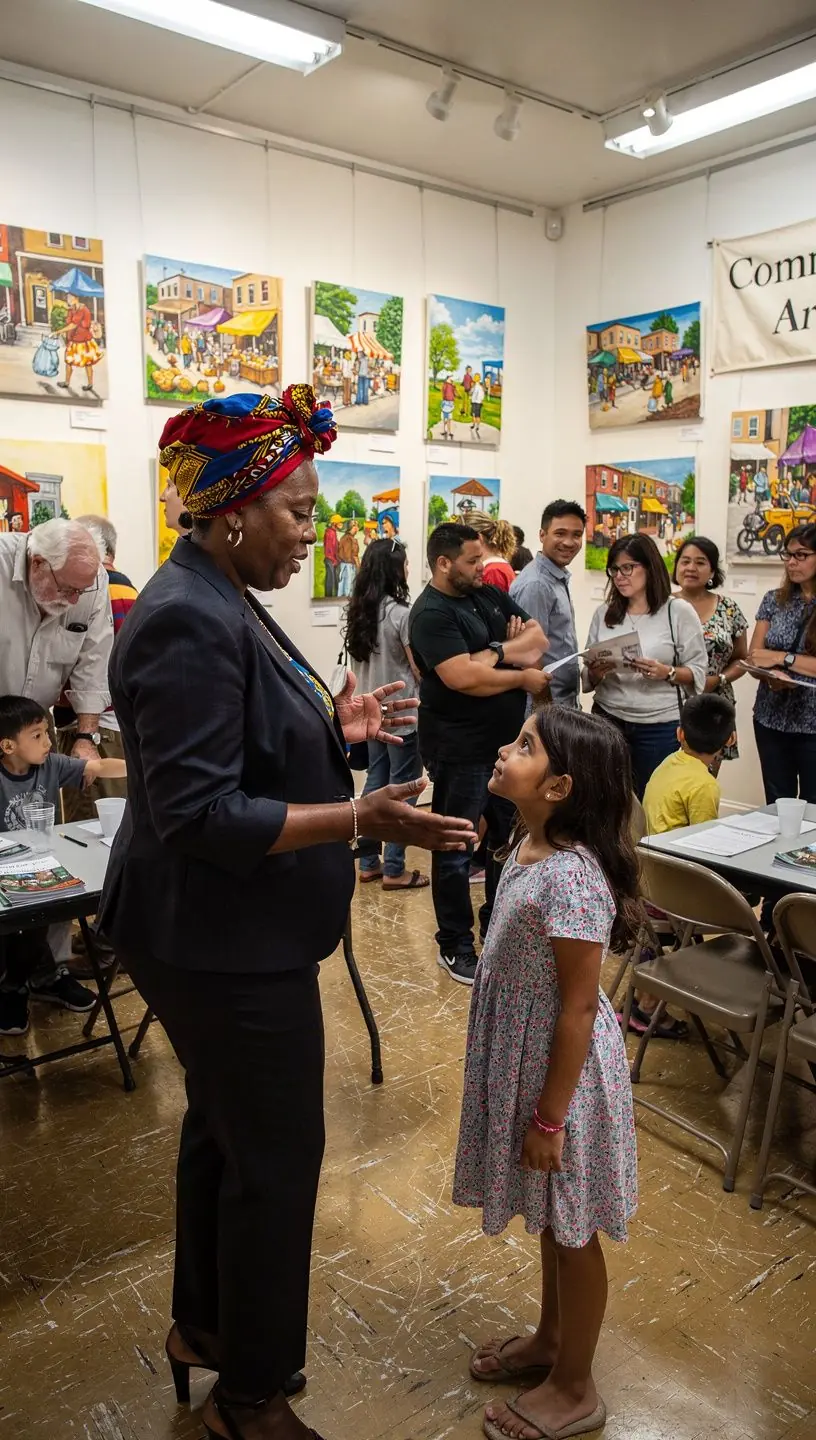
- Engage the Community: Organizing workshops or meetings can be beneficial. According to research from the Smithsonian Institution, community-led initiatives yield more comprehensive and authentic documentation.
- Choose a Documentation Method: Common methods include photography, video recording, audio interviews, and written narratives. Each method has its advantages, so select one that best suits the aspect you are documenting.
- Preserve and Share: Once documented, consider how you will preserve and share the findings. Digital archives or local exhibitions can help engage a broader audience.
Considerations and Challenges
While documenting cultural heritage can be rewarding, it often requires significant time and effort. Here are some considerations:
- This process typically takes several weeks to months, especially when engaging a large group of people.
- Be prepared for a learning curve, as some documentation methods, like video editing or archiving, require technical skills.
- It's essential to recognize that not every method works for every community. Some communities may prefer oral histories over digital formats, which can influence how you approach documentation.
Conclusion
Documenting your local cultural heritage is a vital activity that requires careful planning and community involvement. By following the steps outlined and acknowledging the challenges, you can create a meaningful record of your community’s unique identity. Remember, the goal is to preserve the stories and traditions that make your culture distinctive, fostering a sense of pride and continuity for future generations.
Learn More