The Evolution of Folk Music Across Different Regions
Folk music has a rich and diverse history, evolving uniquely in different regions across the United States. This article explores how local cultures and traditions have shaped the sound of folk music, providing insights into its significance and ongoing evolution.
Understanding the Roots of Folk Music
Folk music typically reflects the stories and experiences of specific communities. It is often passed down orally, which means that it evolves over time, influenced by various cultural, social, and economic factors. According to music historians, folk music serves as a mirror that reflects the values and struggles of the people who create and listen to it.

"Folk music is not just entertainment; it's a vital expression of cultural identity and community." - Music Historian
The Influence of Regional Characteristics
Different regions in the U.S. have contributed to the evolution of folk music in distinct ways. For example:
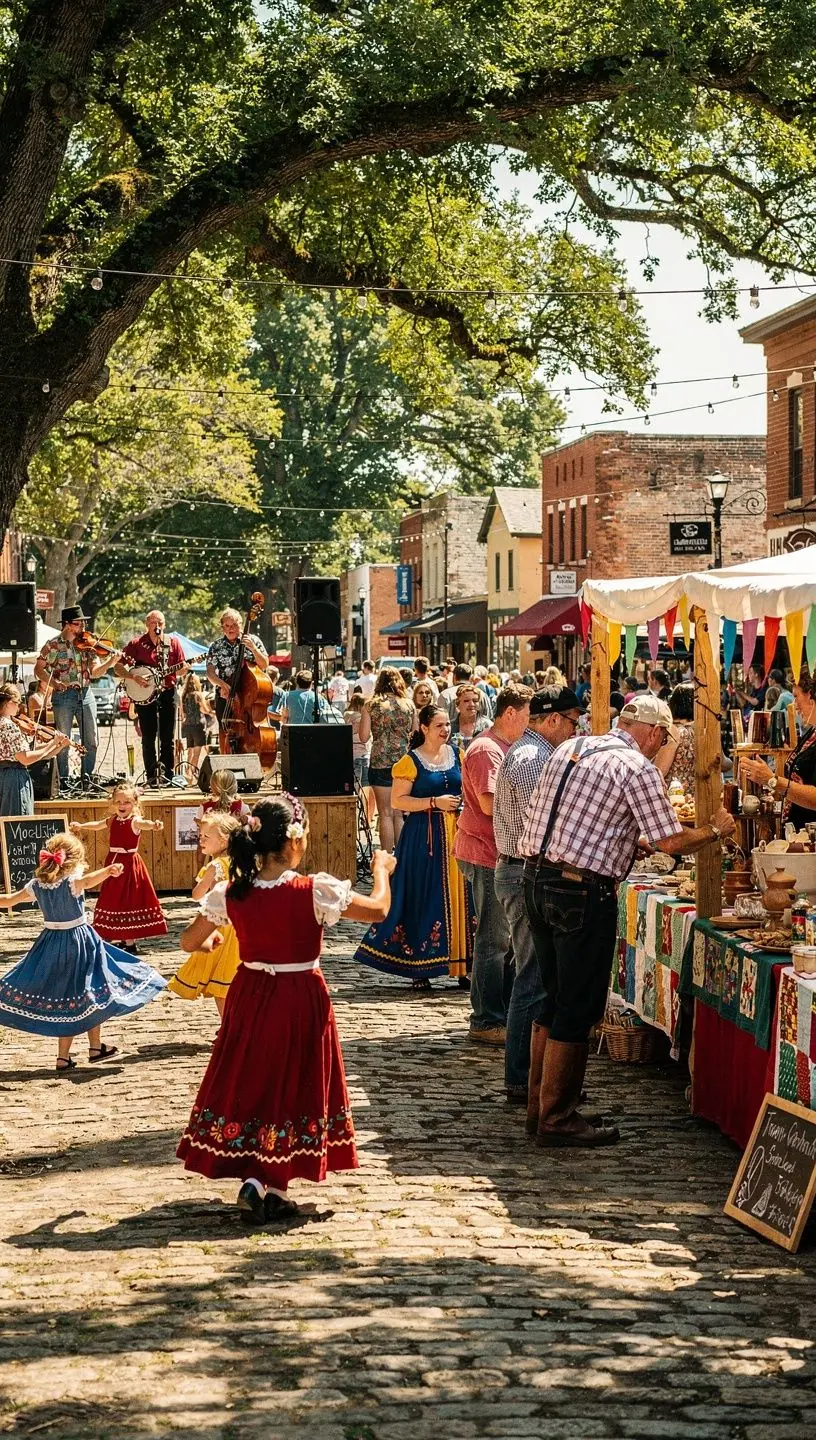
- Appalachian Folk: Originating in the Appalachian Mountains, this style is characterized by its use of traditional instruments like the banjo and fiddle. Studies indicate that the isolation of these communities has led to a preservation of older musical forms.
- New Orleans Jazz: This genre blends African, Caribbean, and European musical traditions. Experts suggest that the city's cultural diversity has fostered an innovative approach to folk music, which can be seen in its unique rhythms and improvisational style.
- Western Cowboy Songs: These songs often tell tales of the American West, reflecting the lifestyle and challenges of cowboys and pioneers. Research shows that these narratives resonate with themes of freedom and adventure, which have evolved as American values changed.
The Role of Technology in Folk Music's Evolution
The emergence of recording technology in the 20th century significantly impacted folk music. Before this, folk music was primarily shared through live performances. The introduction of radio and later, the internet, allowed for a wider distribution of folk music. Many artists have found success by sharing their music through online platforms, which research suggests has helped revive interest in folk traditions among younger audiences.
Contemporary Folk Music: A Fusion of Influences
Today, many folk musicians blend traditional elements with modern genres, creating a fusion that appeals to diverse audiences. This evolution often reflects the changing societal context. For instance, contemporary folk artists may incorporate influences from pop, rock, or hip-hop, which has resulted in new styles that engage listeners in innovative ways.
Conclusion
The evolution of folk music across different regions of the U.S. illustrates the dynamic interplay between tradition and innovation. As communities continue to share their stories through music, it is essential to recognize the significance of folk traditions as a form of cultural expression. Understanding this evolution allows us to appreciate not only the music itself but also the rich tapestry of experiences that shape it.