Exploring the Role of Storytelling in Community Events
Storytelling has been a fundamental aspect of human culture for centuries. In the context of community events, it serves not only as a form of entertainment but also as a vital tool for fostering connections among individuals. This article delves into the importance of storytelling in community gatherings and how it can enhance cultural engagement.
Understanding the Importance of Storytelling
Storytelling is often described as a universal language that transcends cultural and linguistic barriers. According to research published in the Journal of Community Engagement, storytelling can significantly enhance the emotional and social cohesion of a community. This works because it allows individuals to share their experiences, values, and traditions, creating a sense of belonging.
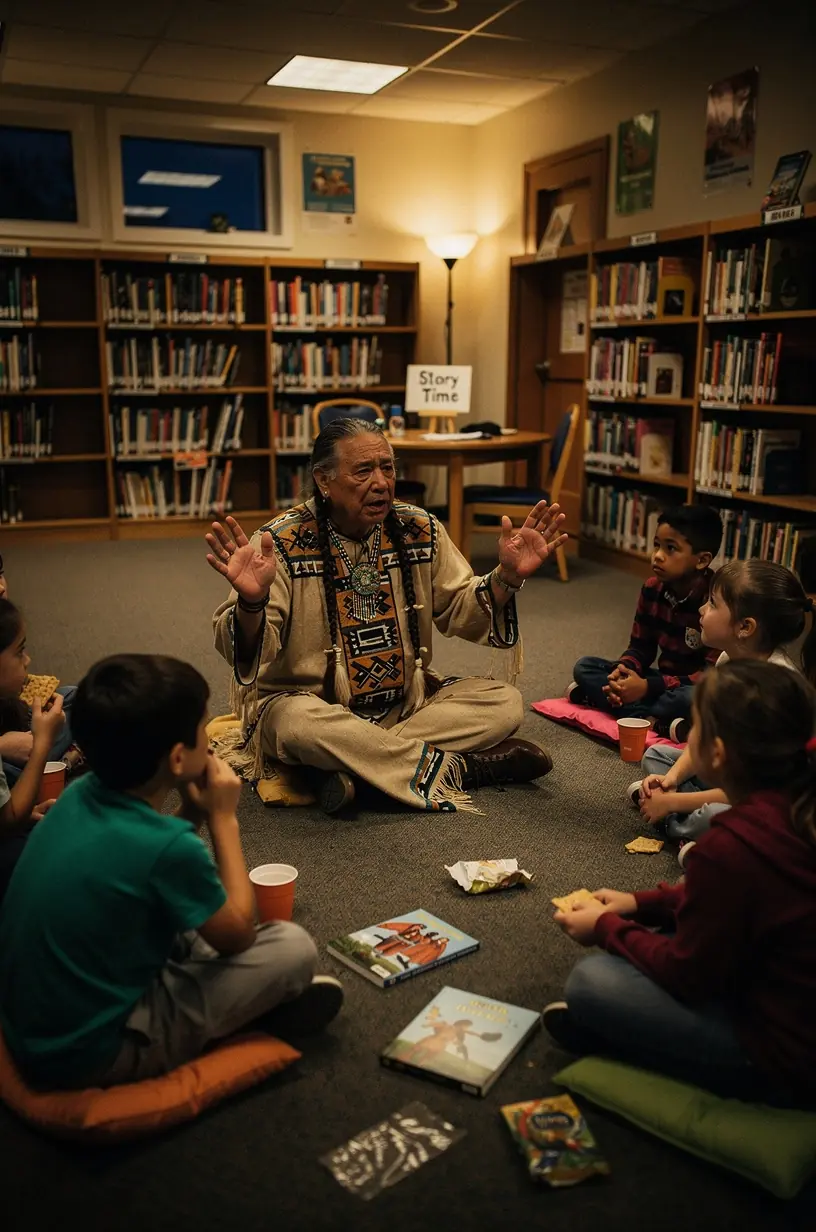
"Sharing stories can create bonds that are essential for community well-being," says Dr. Sarah Thompson, a cultural anthropologist.
How Storytelling Enhances Community Events
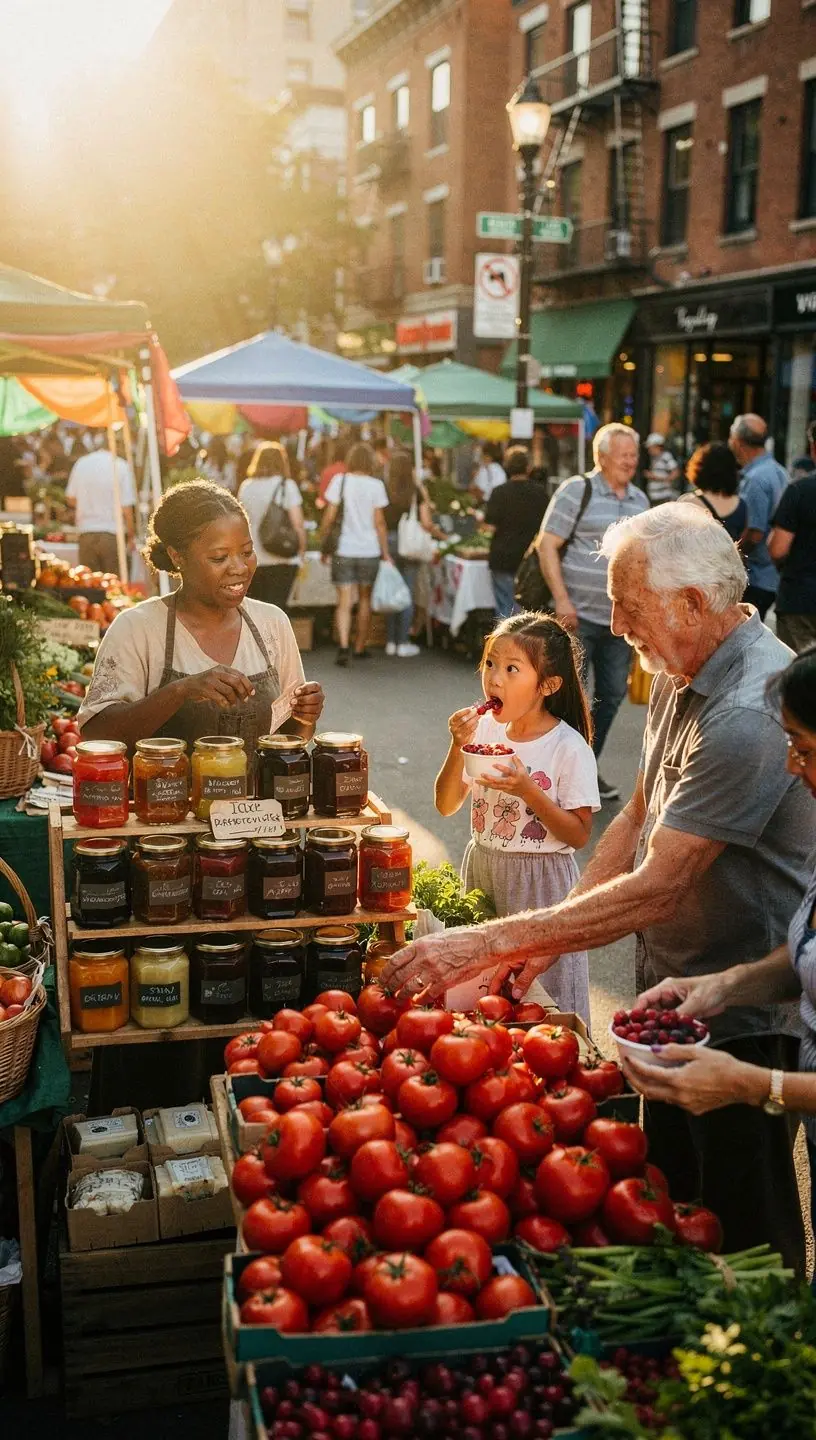
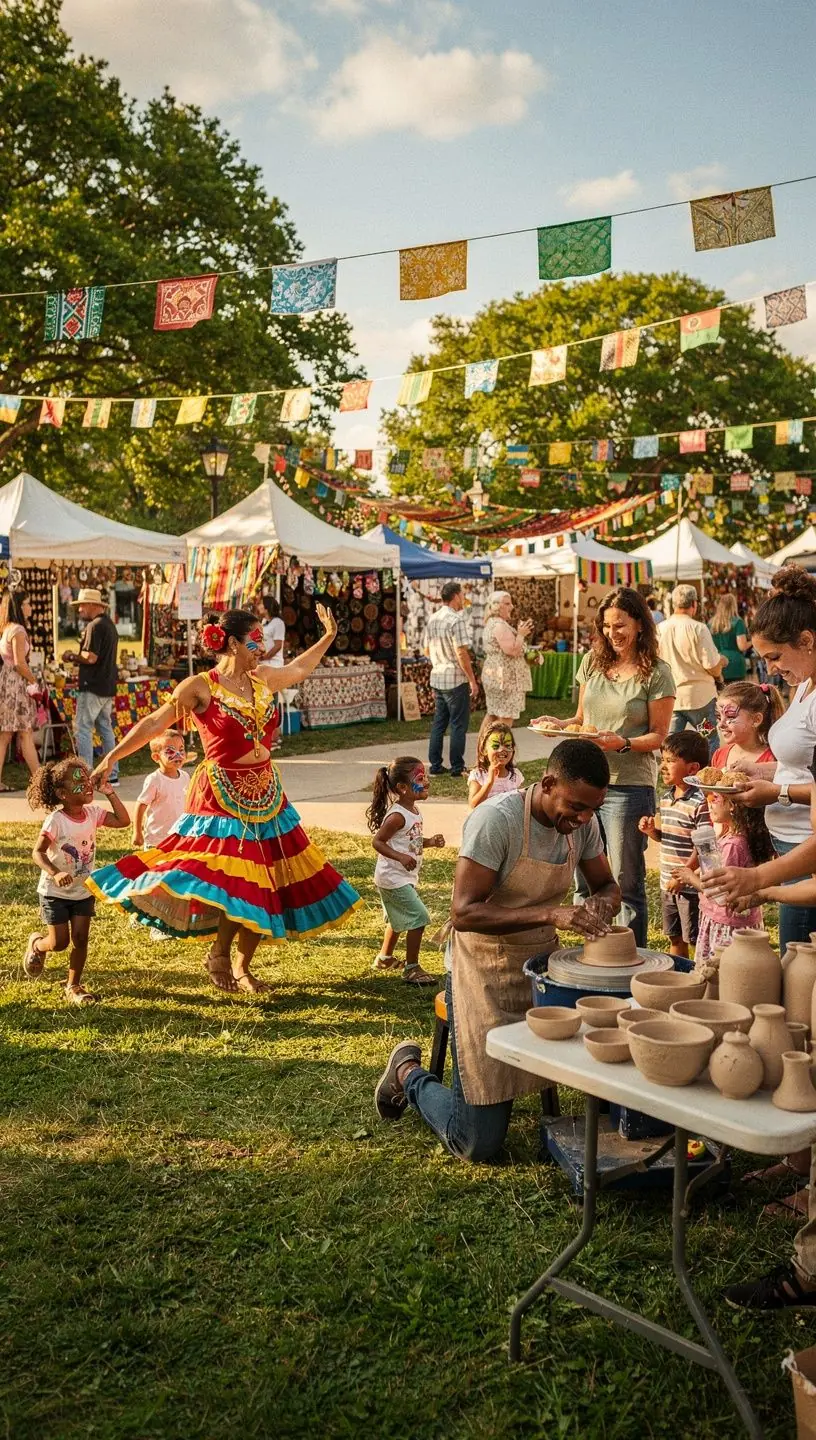
Community events such as festivals, fairs, and meetings often incorporate storytelling to engage participants and promote cultural values. Here are some practical applications of storytelling in these contexts:
- Building Connections: Events that feature storytelling sessions allow individuals to connect on a personal level. Participants often report feeling more involved and invested in the community when they hear relatable stories.
- Preserving Culture: Many community events involve traditional storytelling practices that help preserve local history and culture. This is especially important in diverse communities where multiple narratives coexist.
- Encouraging Participation: Interactive storytelling formats, such as open mic nights or community storytelling circles, encourage audience participation. Research indicates that this can increase engagement levels by up to 30%, fostering a vibrant community spirit.
Challenges and Considerations
While storytelling can offer numerous benefits, it is essential to acknowledge some challenges. Organizers should consider the following:
- Inclusive Representation: It's vital to ensure that storytelling reflects the diversity of the community. This may require outreach to various cultural groups to gather a broad range of narratives.
- Time Commitment: Organizing storytelling sessions typically takes considerable planning and commitment. In most cases, preparation may require weeks of coordination to secure speakers and promote the event effectively.
- Skill Development: Those interested in storytelling may need to develop specific skills to convey their stories effectively. Workshops led by experienced storytellers can be beneficial but will require a time investment.
Conclusion
Storytelling plays a transformative role in community events by bridging gaps between individuals and promoting a deeper understanding of shared experiences. By integrating storytelling into community gatherings, organizers can enhance cultural engagement and foster a more connected and vibrant community. While challenges exist, the rewards of creating a storytelling-rich environment can lead to lasting benefits for all participants.