How Local Music Scenes Influence Cultural Identity
Local music scenes play a significant role in shaping cultural identity, particularly in various communities across the United States. This article explores how these scenes foster community engagement, celebrate diversity, and reflect the unique histories of their locales.
Understanding the Basics
Local music scenes often serve as a microcosm of the broader cultural identity of a community. According to research conducted by the National Endowment for the Arts, music can reflect and influence social values, traditions, and cultural practices, serving as a platform for expression and storytelling.
“Music is a powerful vehicle for cultural identity, connecting individuals to their heritage and to each other.”
The Role of Community Engagement
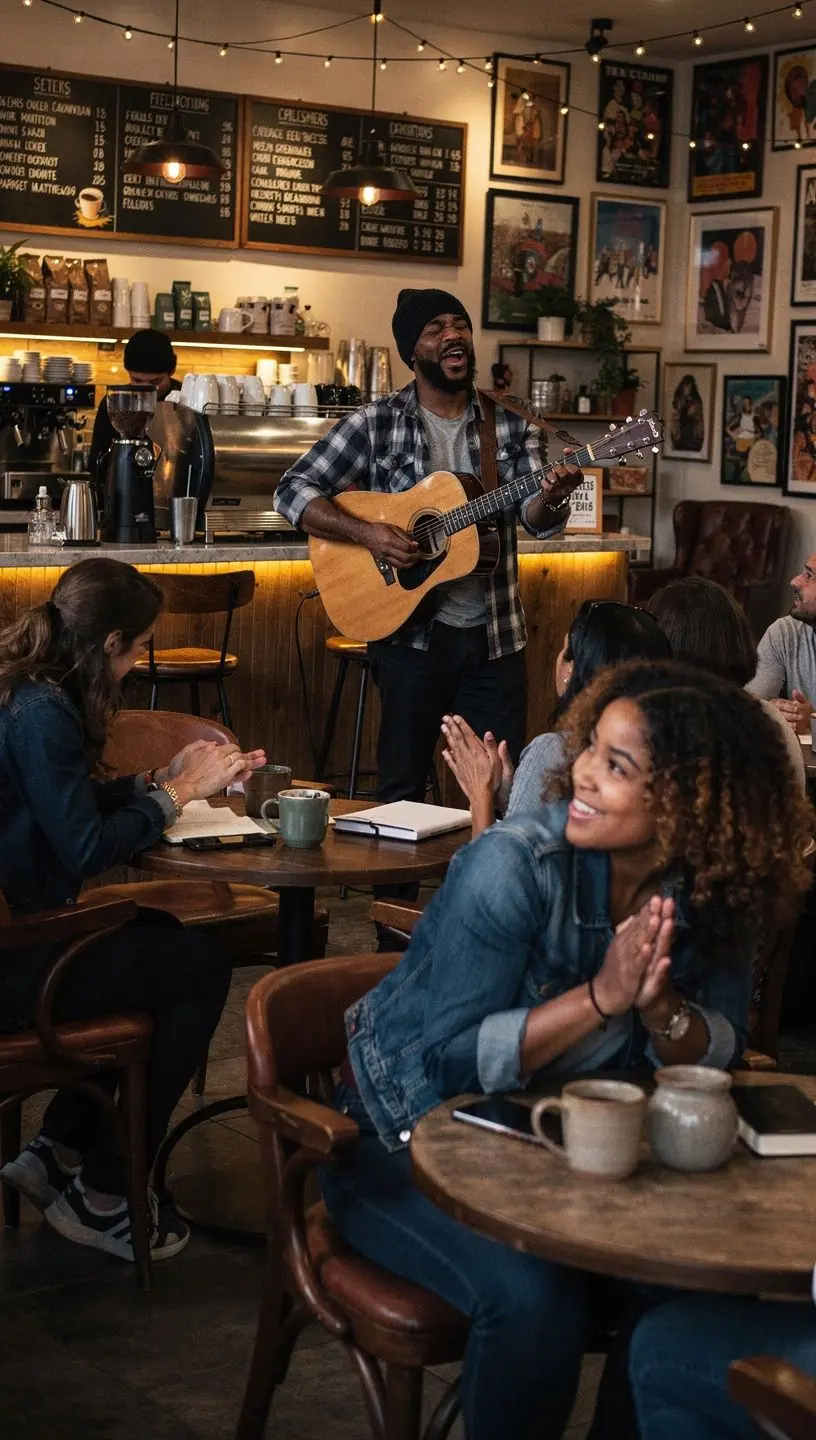
Many communities report that local music events create a sense of belonging and facilitate interpersonal connections. By hosting concerts, festivals, and open mic nights, communities encourage participation and collaboration among residents. This engagement typically fosters mutual respect and appreciation of diverse cultural backgrounds.
Benefits of Community Music Events
- Fostering Relationships: Events provide opportunities for attendees to meet and build connections, which can enhance community solidarity.
- Cultural Exchange: Music events often showcase a variety of genres and styles, allowing for cross-cultural interactions that broaden perspectives.
- Economic Impact: Local music scenes can boost the economy by attracting visitors, increasing foot traffic to local businesses, and providing job opportunities.
Celebrating Diversity Through Music
Local music scenes are often characterized by their diversity, reflecting the histories and narratives of the communities they serve. For instance, cities like Austin, Texas, and New Orleans, Louisiana, are renowned for their vibrant music cultures that celebrate various genres, including blues, jazz, and country. Studies show that these genres often draw from the cultural heritage of the communities, illustrating how music can encapsulate a region's identity.
Examples of Cultural Reflection
- New Orleans Jazz: This genre is deeply rooted in the city’s African American history and has evolved over time, symbolizing resilience and creativity.
- Country Music in Nashville: Often referred to as “Music City,” Nashville's country music scene reflects the stories and experiences of rural communities in the South.
- Hip-Hop in Brooklyn: This genre serves as a narrative of the urban experience, addressing social issues and celebrating local culture and identity.
Conclusion
Local music scenes play a critical role in shaping cultural identity by fostering community engagement and celebrating diversity. Understanding these dynamics can help enhance the appreciation of local music while recognizing its impact on social cohesion and cultural expression. Engaging with your local music scene can be a rewarding experience that enriches your understanding of both the music and the community it represents.